Buy business-center.eu ?
We are moving the project
business-center.eu .
Are you interested in purchasing the domain
business-center.eu ?
domain@kv-gmbh.de · 0541-91531010
Buy business-center.eu ?
How do I calculate the secondary output based on efficiency?
To calculate the secondary output based on efficiency, you first need to determine the primary output and the efficiency percentage. Then, you multiply the primary output by the efficiency percentage (in decimal form) to get the secondary output. For example, if the primary output is 100 units and the efficiency is 80%, you would multiply 100 by 0.80 to get a secondary output of 80 units. This calculation helps you understand how much of the primary output is actually being produced efficiently. **
How do I calculate the secondary output depending on the efficiency?
To calculate the secondary output depending on the efficiency, you can use the formula: Secondary Output = Efficiency x Primary Output. Efficiency is typically expressed as a percentage, so you would convert it to a decimal by dividing by 100. Then, you would multiply the efficiency by the primary output to find the secondary output. This calculation allows you to determine the resulting output based on the efficiency of the process or system. **

Similar search terms for Output
Top-Angebote
Products related to Output:
-
Vitapur High Output Ballast for UV Water FilterCleaner water can save energy too! The BA-95H High Output Ballast is a unique electronic controller that has a universal AC input and provides constant lamp current while lowering power consumption to save energy.115,32 $*Shipping: 0,00 $Secure redirect to the provider
-
Multicon Wholesale Hub Nitrogen Regulator For HVAC Pressure Testing With Flare Output Nitrogen Regulator For HVAC Pressure Testing With Flare OutputTake control of every pressure test with confidence and precision. This nitrogen regulator is built for HVAC technicians, refrigeration pros, and serious workshop users who need steady, reliable pressure from 0800 PSI. Designed with a CGA580 inlet,...139,97 $*Shipping: 0,00 $Secure redirect to the provider
-
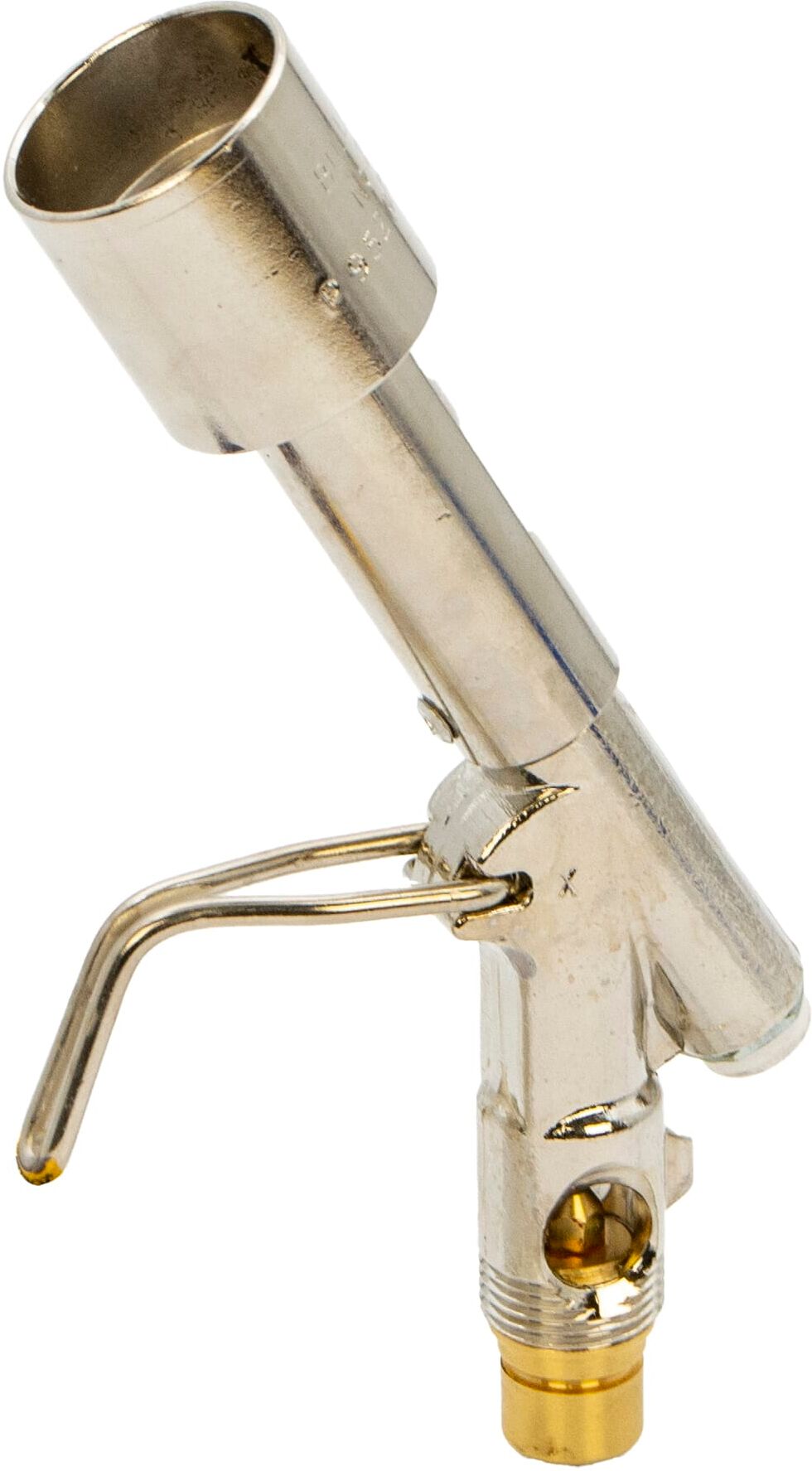
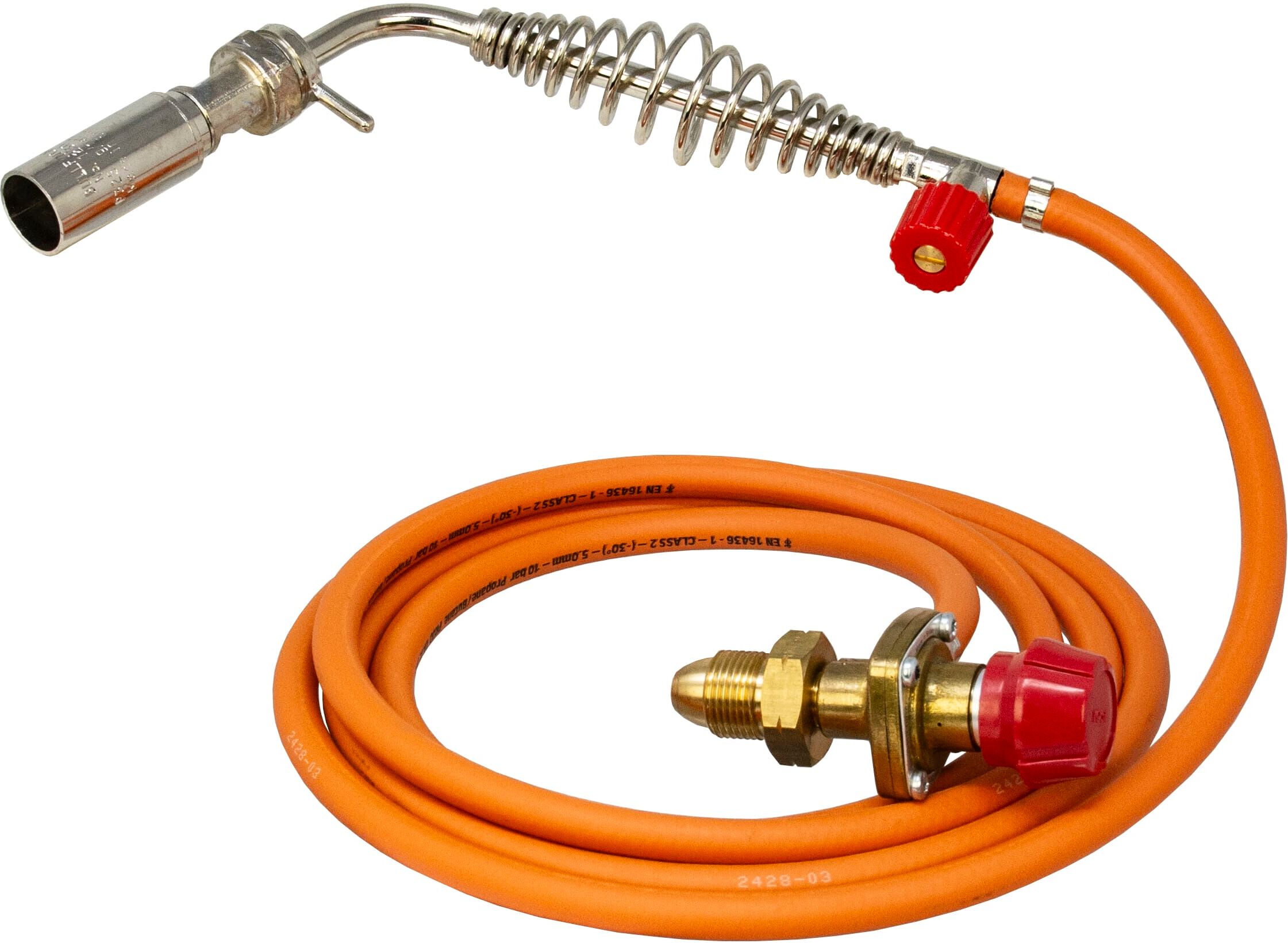
Bullfinch 140P Propane Gas Blow Torch Kit – 4.5kW OutputBullfinch 140P Propane Gas Blow Torch Kit – 4.5kW Output – Durable & High Performance for Professional Use The Bullfinch 140P Standard Propane Gas Blow Torch Kit is designed for the demanding needs of contractors, featuring a robust steel spring handle and high-performance components. This ready-to-use kit includes a 1340 handle, 1230 general-purpose burner, 1051 adjustable regulator, a 2.75m high-pressure hose, and two O clips. Operating at 0.35 to 2 bar, this torch delivers reliable, high-temperature flames suitable for various applications, from soldering to heating. Key Features: Complete Kit: Includes handle, burner, adjustable regulator, hose, and clips89,00 £*Shipping: 0,00 £Secure redirect to the provider


-
Can economic efficiency and productivity develop mutually?
Yes, economic efficiency and productivity can develop mutually. When businesses and industries become more efficient in their operations, they can produce more output with the same amount of input, leading to increased productivity. Similarly, when productivity increases, it can drive economic efficiency by reducing waste and improving resource allocation. Therefore, as businesses and industries focus on improving efficiency and productivity, they can reinforce and support each other's development. **
-
What is the difference between efficiency and productivity?
Efficiency refers to how well resources are utilized to achieve a specific goal or output, while productivity measures the output or results generated from a specific amount of input or resources. Efficiency focuses on minimizing waste and maximizing output with the resources available, while productivity is a measure of how much output is produced relative to the input used. In essence, efficiency is about doing things right, while productivity is about doing the right things. **
-
What are the connections between efficiency and productivity?
Efficiency and productivity are closely connected in that efficiency refers to the ability to accomplish a task with minimal waste, effort, or cost, while productivity refers to the rate at which goods or services are produced. When a process or system is efficient, it can lead to increased productivity because it allows for more output to be generated with the same amount of input. Conversely, when productivity is high, it often indicates that the resources and processes are being used efficiently. Therefore, improving efficiency can lead to increased productivity, and vice versa, as they both contribute to the overall effectiveness of a business or organization. **
-
Does increasing productivity lead to higher economic efficiency?
Yes, increasing productivity can lead to higher economic efficiency. When a company or economy can produce more output with the same input of resources, it can lead to lower production costs and higher profits. This can also lead to lower prices for consumers, which can increase overall economic welfare. Additionally, higher productivity can lead to increased competitiveness in the global market, which can further contribute to economic efficiency. **

How do I calculate the heat output and heat input, and then the efficiency?
To calculate the heat output, you need to know the amount of heat energy released by the system. This can be calculated using the formula: Q = mcΔT, where Q is the heat energy, m is the mass of the substance, c is the specific heat capacity, and ΔT is the change in temperature. To calculate the heat input, you need to know the amount of heat energy supplied to the system. This can be calculated using the formula: Q = mcΔT, where Q is the heat energy, m is the mass of the substance, c is the specific heat capacity, and ΔT is the change in temperature. To calculate the efficiency, you can use the formula: Efficiency = (Heat output / Heat input) * 100%. This will give you the percentage of the input energy that is converted into useful output energy. **
What is the difference between productivity, efficiency, and profitability?
Productivity refers to the amount of output produced per unit of input, such as time or resources. Efficiency, on the other hand, focuses on how well resources are used to achieve a specific goal or output. Profitability, meanwhile, is a measure of how efficiently a company generates profit relative to its costs and expenses. In essence, productivity is about output per input, efficiency is about resource utilization, and profitability is about the bottom line of a business. **
Top-Angebote
Products related to Output:
-
Psychology Of Efficiency Master Your Mind Maximize Your Output By Rishav - Non FictionMaster your mind and maximize your output with this insightful guide to the psychology of efficiency. Written by Rishav, this book delves into the mental frameworks that drive real performance, helping you identify areas where your attention leaks occur and seal those gaps. By shifting your mindset, you'll unlock faster, clearer, and more consistent work. This book is designed for those who need tangible improvements, not just motivation. It's a brand new paperback edition, published with the ISBN 9789359770277.2,99 £*Shipping: 2,99 £Secure redirect to the provider
-
Vitapur High Output Ballast for UV Water FilterCleaner water can save energy too! The BA-95H High Output Ballast is a unique electronic controller that has a universal AC input and provides constant lamp current while lowering power consumption to save energy.115,32 $*Shipping: 0,00 $Secure redirect to the provider
-
Multicon Wholesale Hub Nitrogen Regulator For HVAC Pressure Testing With Flare Output Nitrogen Regulator For HVAC Pressure Testing With Flare OutputTake control of every pressure test with confidence and precision. This nitrogen regulator is built for HVAC technicians, refrigeration pros, and serious workshop users who need steady, reliable pressure from 0800 PSI. Designed with a CGA580 inlet,...139,97 $*Shipping: 0,00 $Secure redirect to the provider
-
How do I calculate the secondary output based on efficiency?
To calculate the secondary output based on efficiency, you first need to determine the primary output and the efficiency percentage. Then, you multiply the primary output by the efficiency percentage (in decimal form) to get the secondary output. For example, if the primary output is 100 units and the efficiency is 80%, you would multiply 100 by 0.80 to get a secondary output of 80 units. This calculation helps you understand how much of the primary output is actually being produced efficiently. **
-
How do I calculate the secondary output depending on the efficiency?
To calculate the secondary output depending on the efficiency, you can use the formula: Secondary Output = Efficiency x Primary Output. Efficiency is typically expressed as a percentage, so you would convert it to a decimal by dividing by 100. Then, you would multiply the efficiency by the primary output to find the secondary output. This calculation allows you to determine the resulting output based on the efficiency of the process or system. **
-
Can economic efficiency and productivity develop mutually?
Yes, economic efficiency and productivity can develop mutually. When businesses and industries become more efficient in their operations, they can produce more output with the same amount of input, leading to increased productivity. Similarly, when productivity increases, it can drive economic efficiency by reducing waste and improving resource allocation. Therefore, as businesses and industries focus on improving efficiency and productivity, they can reinforce and support each other's development. **
-
What is the difference between efficiency and productivity?
Efficiency refers to how well resources are utilized to achieve a specific goal or output, while productivity measures the output or results generated from a specific amount of input or resources. Efficiency focuses on minimizing waste and maximizing output with the resources available, while productivity is a measure of how much output is produced relative to the input used. In essence, efficiency is about doing things right, while productivity is about doing the right things. **
Similar search terms for Output
-
Bullfinch 140P Propane Gas Blow Torch Kit – 4.5kW OutputBullfinch 140P Propane Gas Blow Torch Kit – 4.5kW Output – Durable & High Performance for Professional Use The Bullfinch 140P Standard Propane Gas Blow Torch Kit is designed for the demanding needs of contractors, featuring a robust steel spring handle and high-performance components. This ready-to-use kit includes a 1340 handle, 1230 general-purpose burner, 1051 adjustable regulator, a 2.75m high-pressure hose, and two O clips. Operating at 0.35 to 2 bar, this torch delivers reliable, high-temperature flames suitable for various applications, from soldering to heating. Key Features: Complete Kit: Includes handle, burner, adjustable regulator, hose, and clips89,00 £*Shipping: 0,00 £Secure redirect to the provider
-
Bullfinch 233P AutoTorch Propane Gas Blow Torch Kit - 5.24kW OutputBullfinch 233P AutoTorch Propane Gas Blow Torch Kit The Bullfinch 233P AutoTorch Propane Gas Blow Torch Kit offers advanced functionality, safety, and convenience for professional and domestic applications. Featuring single-lever operation with automatic ignition, this torch is designed for ease of use and reliable performance in all conditions, including windy environments. Perfect for a variety of heating tasks, this kit is equipped with a range of innovative features to enhance safety and efficiency. Key Features Single-Lever Operation: Turns on the gas and ignites the burner with a single lever, while releasing the lever shuts off the gas for fail-safe operation. Automatic Ignition: No m154,74 £*Shipping: 0,00 £Secure redirect to the provider
-
Sievert 3460K Turbo Roofing Propane Blow Torch Kit - 114kW OutputSievert 3460K Turbo Roofing Propane Blow Torch Kit - 114kW Output The Sievert 3460K Turbo Roofing Propane Gas Blow Torch Kit is a heavy-duty, high-performance tool designed for demanding applications such as bitumen laying, drying, preheating, field torching, and more. Built to withstand extreme conditions, this roofing torch delivers exceptional efficiency and reliability for professionals. Equipped with a heavy-duty burner and double valve economizer handle, this torch kit saves gas by allowing instant shifting between pilot and main flames. Its strong, windproof flame ensures optimal performance even in adverse weather conditions. Key Features: High Heat Output: Delivers an impressive 114kW of heat for efficient performance133,88 £*Shipping: 0,00 £Secure redirect to the provider
-
What are the connections between efficiency and productivity?
Efficiency and productivity are closely connected in that efficiency refers to the ability to accomplish a task with minimal waste, effort, or cost, while productivity refers to the rate at which goods or services are produced. When a process or system is efficient, it can lead to increased productivity because it allows for more output to be generated with the same amount of input. Conversely, when productivity is high, it often indicates that the resources and processes are being used efficiently. Therefore, improving efficiency can lead to increased productivity, and vice versa, as they both contribute to the overall effectiveness of a business or organization. **
-
Does increasing productivity lead to higher economic efficiency?
Yes, increasing productivity can lead to higher economic efficiency. When a company or economy can produce more output with the same input of resources, it can lead to lower production costs and higher profits. This can also lead to lower prices for consumers, which can increase overall economic welfare. Additionally, higher productivity can lead to increased competitiveness in the global market, which can further contribute to economic efficiency. **
-
How do I calculate the heat output and heat input, and then the efficiency?
To calculate the heat output, you need to know the amount of heat energy released by the system. This can be calculated using the formula: Q = mcΔT, where Q is the heat energy, m is the mass of the substance, c is the specific heat capacity, and ΔT is the change in temperature. To calculate the heat input, you need to know the amount of heat energy supplied to the system. This can be calculated using the formula: Q = mcΔT, where Q is the heat energy, m is the mass of the substance, c is the specific heat capacity, and ΔT is the change in temperature. To calculate the efficiency, you can use the formula: Efficiency = (Heat output / Heat input) * 100%. This will give you the percentage of the input energy that is converted into useful output energy. **
-
What is the difference between productivity, efficiency, and profitability?
Productivity refers to the amount of output produced per unit of input, such as time or resources. Efficiency, on the other hand, focuses on how well resources are used to achieve a specific goal or output. Profitability, meanwhile, is a measure of how efficiently a company generates profit relative to its costs and expenses. In essence, productivity is about output per input, efficiency is about resource utilization, and profitability is about the bottom line of a business. **
* All prices are inclusive of VAT and, if applicable, plus shipping costs. The offer information is based on the details provided by the respective shop and is updated through automated processes. Real-time updates do not occur, so deviations can occur in individual cases. ** Note: Parts of this content were created by AI.